About Turbulence
Turbulence (turbulent flows), usually referred to as the most important unsolved problem in classical physics (by Richard Feynman), is ubiquitous in natural and engineering processes - from the water flow in a small faucet to the atmospheric turbulence enveloping the planets. As a fascinating subject in various senses, “turbulence” is associated with a lot of great personalities in fluid physics and mathematics - O. Reynolds, L. Prandtl, von Karman, G.I. Taylor, A.N. Kolmogorov - and appears in many great pieces of art such as Leonardo da Vinci’s manuscripts, The Great Wave off Kanagawa, and Van Gogh’s The Starry Night.
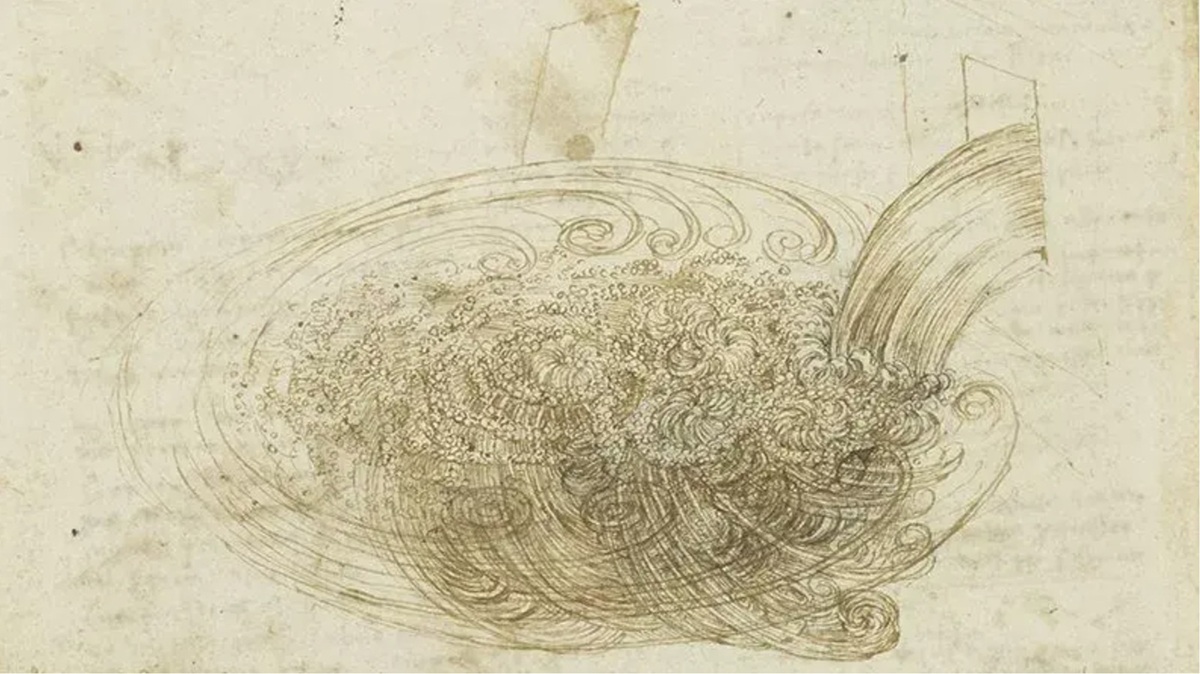
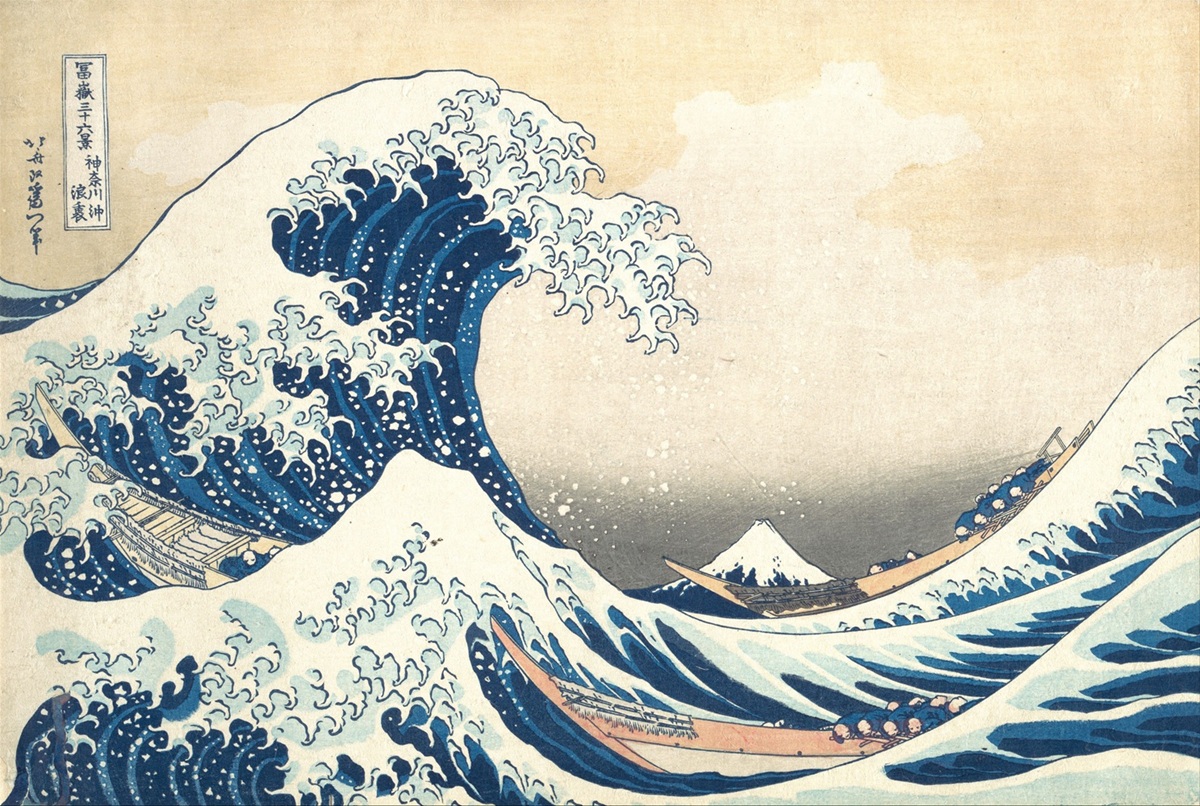
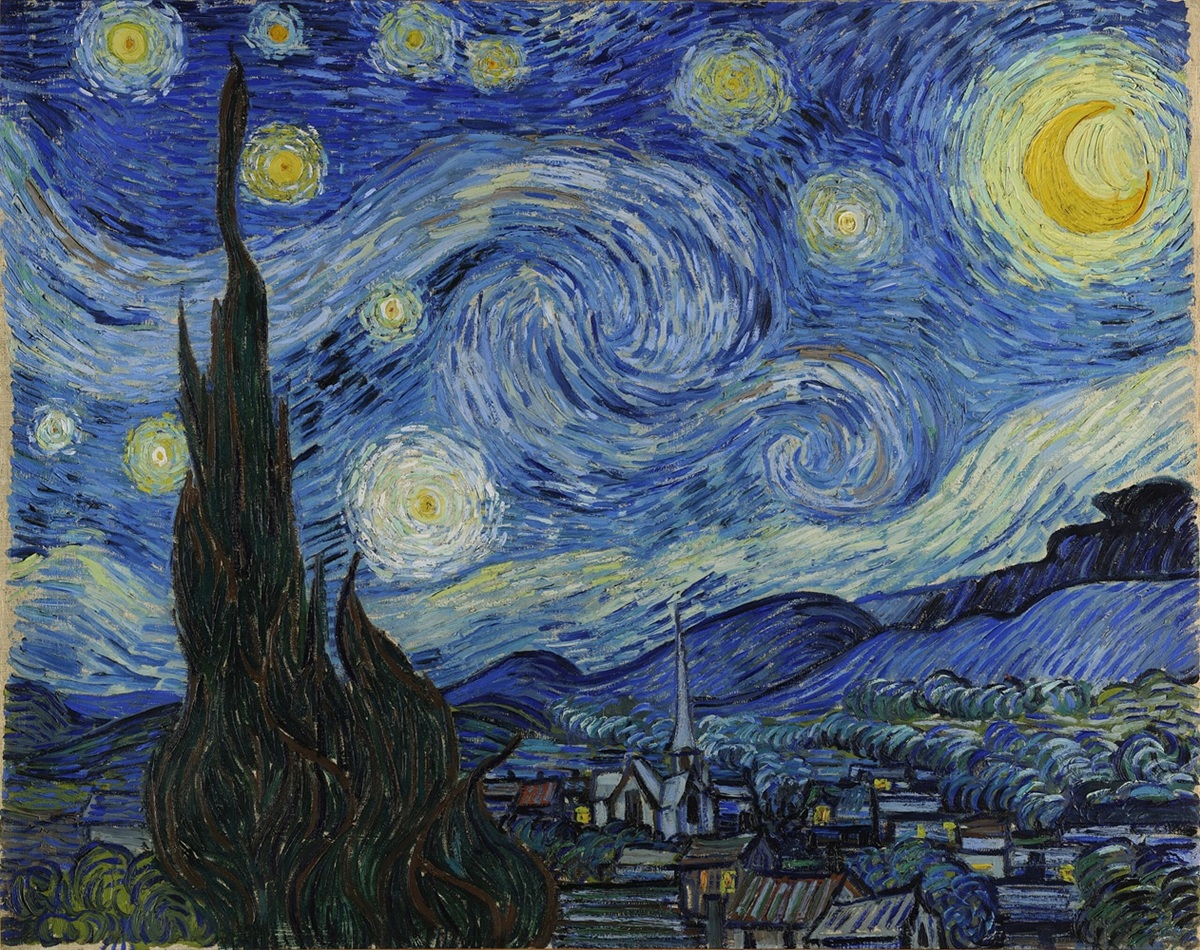
Yet, formidable challenges accompany the beauty of turbulent flows: nonlinearity, multi-scale nature, and irregularity, just to name a few. As said by Guy Beart,
Turbulence toiler, on the rack, For each step forward, two steps back!
To this day, we still don’t fully understand where turbulence comes from (the transition between laminar and turbulent states) and where it goes (toward some ultimate scaling?). Scientists have been working hard on this problem for decades, flaring sparks on the boundless ocean to guide later generations. And now, it’s our turn to continue this voyage.
Reference
Davidson, P. A., Kaneda, Y., Moffatt, K., & Sreenivasan, K. R. (Eds.). (2011). A Voyage Through Turbulence. Cambridge: Cambridge University Press.
Enjoy Reading This Article?
Here are some more articles you might like to read next: